
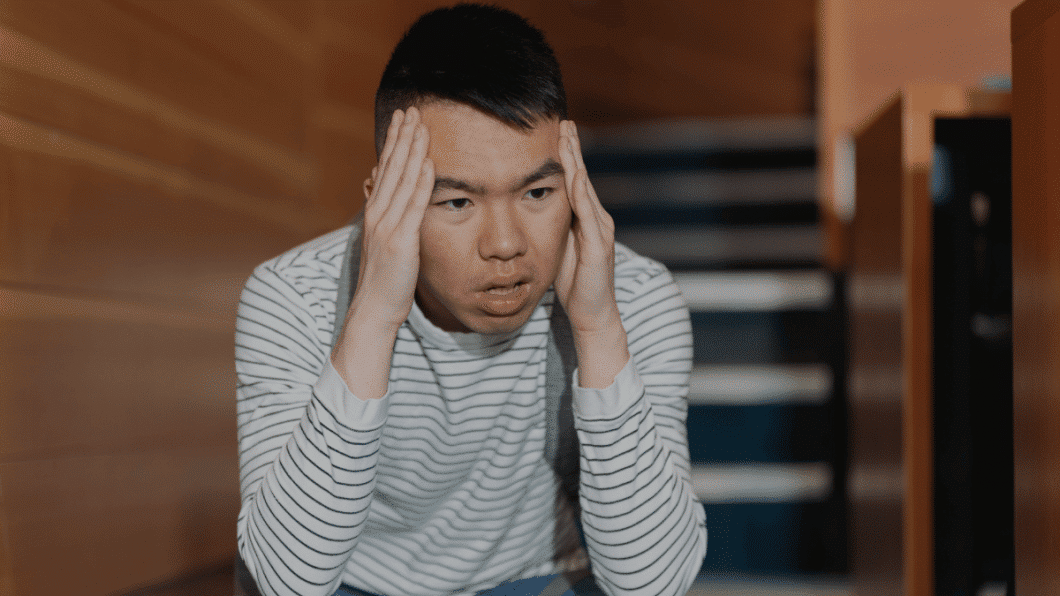
Emotional Control for Men: Strong Men Learn Control, Not Suppression

Many men were taught—directly or indirectly—that strength means not showing emotion.
Do not cry.
Do not talk about feelings.
Handle it yourself.
Push through.
That message may sound tough, but it has quietly trained many men to confuse suppression with strength.
It is not the same thing.
Emotional control for men is not about becoming emotionless. It is about learning how to notice emotions, regulate them, and respond with steadiness instead of suppression, shutdown, or explosion.
This is one reason faith-informed emotional health matters. Real strength is not built by pretending you feel nothing. It is built by developing the inner capacity to handle what you feel without being ruled by it.
What Emotional Control for Men Really Means
Emotional control for men means learning how to stay responsible when emotions are present.
It does not mean never feeling anger, fear, frustration, hurt, or sadness. It means those emotions do not take over your behavior, your decisions, or your relationships.
Healthy emotional control includes the ability to:
- notice what you are feeling
- understand what may be driving it
- calm your body
- take responsibility for your response
- choose a reaction that matches your values
This is what emotional regulation really is. Control is not numbness. Control is steadiness.
Emotional Suppression Is Not Emotional Control
Many men were taught suppression instead of skill.
Emotional suppression means pushing emotions down, minimizing them, ignoring them, or acting like they do not exist. On the surface, that can look like control.
A man who stays silent.
A man who does not react.
A man who keeps going no matter what.
But internally, suppressed emotions do not disappear. They build.
Over time, they often show up as:
- anger
- irritability
- emotional shutdown
- distance in relationships
- resentment
- sudden blowups
- burnout
Suppression does not remove emotion. It delays it.
That is one reason many men eventually struggle with emotional disconnection. When emotions are repeatedly pushed down, connection to self and others often starts to weaken too.
Why Men Struggle With Emotions
Most men were never taught emotional skills.
They were not shown how to:
- name what they feel
- express emotions safely
- calm themselves under pressure
- ask for support
- stay honest without feeling weak
Instead, many learned:
- ignore it
- distract yourself
- tough it out
- stay busy
- do not talk about it
Those strategies may work in short bursts, but they do not work long term. Stress accumulates. Pressure builds. And what is not processed eventually leaks out.
This is not a failure of masculinity. It is usually a failure of training.
Signs a Man Is Suppressing Instead of Regulating
A man may be suppressing instead of regulating if he:
- shuts down instead of opening up
- becomes easily irritated under stress
- avoids vulnerable conversations
- goes numb instead of honest
- explodes after staying quiet too long
- uses busyness, work, or distraction to avoid feeling
- struggles to name what he feels beyond anger
- feels distant in relationships
These signs matter because suppression can look controlled for a while. But over time, it usually creates instability beneath the surface.
What Emotional Control for Men Looks Like in Real Life
Healthy masculine strength is not coldness. It is steadiness.
Emotional control for men looks like:
- feeling angry without becoming cruel
- feeling hurt without shutting down
- feeling stressed without exploding
- having difficult conversations without dominating or avoiding
- being honest about internal experience without losing self-control
- staying responsible for behavior under pressure
This kind of strength is not soft. It is disciplined.
And it often creates better relationships, better leadership, and a stronger inner life.
Simple Steps Men Can Start Practicing
You do not have to master emotional control all at once. Start with simple practices.
1. Name what you feel
Instead of saying, “I’m fine,” try honesty.
“I’m frustrated.”
“I’m overwhelmed.”
“I’m hurt.”
“I’m embarrassed.”
Naming emotions reduces confusion and increases awareness.
2. Slow the body
Slow breathing. Relax your shoulders. Unclench your jaw. Sit down. Pause.
A calmer body gives you better access to a wiser response.
3. Take responsibility
Ask:
What is my part in this?
Not:
How is this only someone else’s fault?
Responsibility is a mark of strength.
4. Choose the response
Not the easiest response.
Not the most impulsive one.
The aligned one.
5. Practice honesty before pressure builds
Many men wait until emotions explode before admitting something is wrong. Emotional control grows when honesty happens earlier.
Emotional Control, Relationships, and Responsibility
Emotional control for men does not just affect the individual. It shapes relationships.
A man who cannot regulate often becomes reactive, avoidant, controlling, shut down, or unpredictable. Over time, that creates instability in homes, friendships, marriage, and leadership.
This is where healthy boundaries and relationship patterns matter. Emotional maturity is not just about what you feel. It is also about how you participate in relational dynamics.
When men build emotional control, they often become safer, clearer, and more consistent in the way they relate to others.
Faith and Emotional Strength
Some men worry that focusing on emotional health is unbiblical or weak.
But Scripture consistently emphasizes:
- self-control
- patience
- gentleness
- wisdom
- humility
These are not passive traits. They require real inner strength.
Faith shapes a man’s values. Emotional regulation gives him the capacity to live those values under stress.
They work together.
Biblical self-control is not about pretending you do not feel. It is about developing the ability to choose a response that reflects wisdom instead of impulse.
How Seven Rooted Supports Men
Seven Rooted helps men strengthen:
- Identity
- Emotional Awareness
- Regulation
- Boundaries and Responsibility
- Relationships
This is not about becoming overly emotional. It is about becoming internally strong.
When those foundations get healthier, men often become steadier, less reactive, more honest, and better able to lead with responsibility rather than suppression.
Final Thoughts on Emotional Control for Men
Developing emotional control for men is not about becoming emotionless. It is about becoming internally strong.
Strong men do not suppress.
Strong men develop emotional control.
That kind of strength:
- builds better marriages
- creates safer homes
- produces better leaders
- honors God
If you want to grow as a man, start by strengthening what is happening inside you.
If this resonates with you personally, a clarity call can help you begin building the kind of internal strength that leads to healthier emotional control.
FAQ
What does emotional control for men mean?
Emotional control for men means learning how to notice emotions, regulate them, and respond responsibly rather than suppressing them or being ruled by them.
Is emotional suppression the same as emotional control?
No. Emotional suppression pushes feelings down or ignores them. Emotional control involves awareness, regulation, and intentional response.
Why do many men struggle with emotions?
Many men struggle with emotions because they were taught to ignore feelings, avoid vulnerability, and push through stress without learning emotional skills.
How can men improve emotional control?
Men improve emotional control by learning to name emotions, slow the body, take responsibility for reactions, and choose more aligned responses.
Can faith help men develop emotional control?
Yes. Faith can support emotional control by strengthening self-awareness, self-control, patience, humility, and responsibility under pressure.
Ready for real change? Book your clarity call now by clicking the button below.